 Pay for your PC in installments (up to 12 payments)
What can we expect from the Nvidia RTX 5000 series?
Today, we’re diving into the world of Nvidia’s RTX 5000 series graphics cards—a revolution that represents a significant turning point in the field of infographics. The RTX 5000 shouldn’t be just simple upgrades; they embody a major evolution in GPU design. With their 3-nanometre fabrication, they stand out not only for superior energy efficiency, but also for noticeably improved performance compared with the RTX 4000 series, built on 5-nanometre fabrication.
In this article, we’ll explore in detail what these new graphics cards could have to offer, looking at their technical specifications, performance, compatibility, and their positioning in an increasingly competitive market.
Hold on tight, because we’re about to find out why the RTX 5000 series is a hot topic in the world of graphics technology.
Performance and Innovations of the RTX 5000
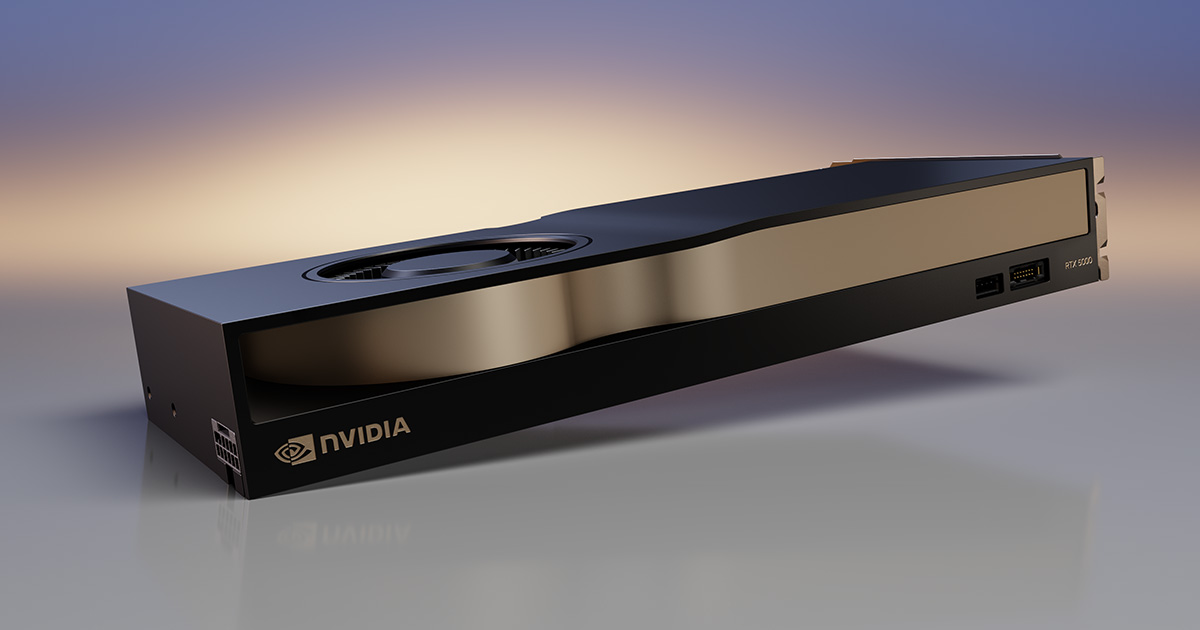
In the rush towards excellence in graphics, Nvidia’s RTX 5000 are sure to establish themselves as champions of innovation and performance.
Performance Boost: A Quantum Leap
- 15% Performance Gain: Thanks to the move to 3-nanometre fabrication, the RTX 5000 offer a 15% performance boost over previous models. This level of fine fabrication improves not only speed and efficiency, but also reduces power consumption.
- Energy Efficiency: Reducing energy consumption is a significant step forward. By cutting power usage by 30%, the RTX 5000 meet a dual requirement: more power with less energy impact.
PCI 5.0 Interface: The Speed Revolution
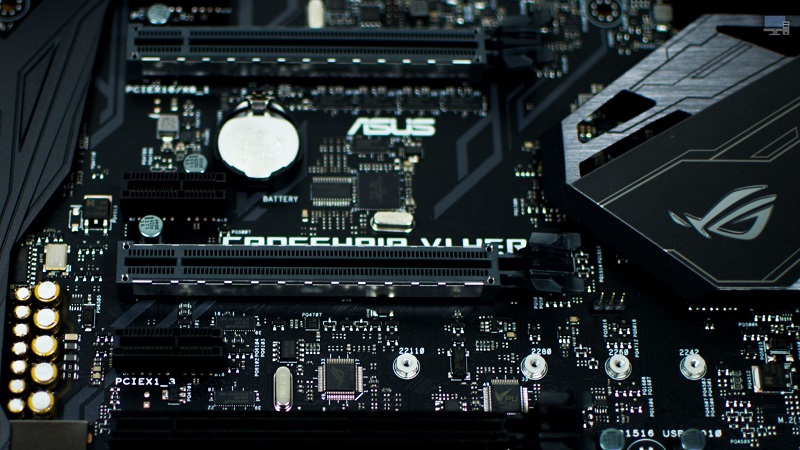
- Amazing Transfer Speeds: The introduction of the PCI 5.0 interface with the RTX 5000 is expected to mark a turning point in data transfer speed. This technology ensures faster, smoother communication between the graphics card and other system components, delivering an improved user experience—especially for games and resource-heavy graphics applications.
New DisplayPort 2.1 Outputs
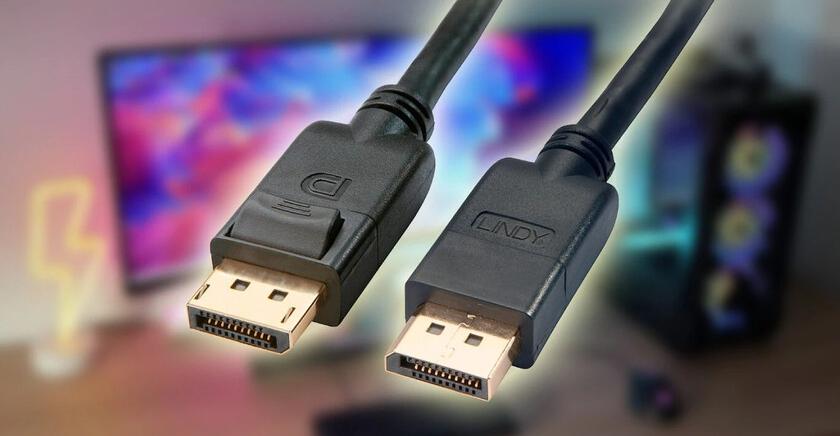
- High Definition and High Refresh Rates: With the new DisplayPort 2.1 outputs, the RTX 5000 are ready to power the most modern displays, offering ultra-high resolutions and high refresh rates. This feature is essential for professional creators and gamers alike who want to experience their content in the best possible quality.
Compatibility and Required Setup for the RTX 5000
The RTX 5000 series, while promising in terms of performance, introduces new requirements in terms of hardware compatibility and configuration.
The Need for the Right Hardware Configuration
- Motherboards and PCI 5.0: To get the best out of the RTX 5000, you need motherboards that support the PCI 5.0 interface. This is crucial for users who want to upgrade their system. It’s not just about benefiting from faster data transfer speeds; it’s also about ensuring maximum system stability and performance.
- Power Requirements: Because these cards deliver higher power, they will require robust power-supply systems. Users must ensure their PSU is not only sufficient to cover the card’s energy needs, but also capable of providing stable, reliable power.
Impact on Upgrading Existing Systems
- Upgrade Considerations: For those planning to upgrade their existing system with an RTX 5000, it’s essential to assess the compatibility of their current components. Aside from the motherboard and PSU, other factors—such as case space, cooling, and software support—must also be taken into account.
Implications for Users
- Investment Decisions: Users need to weigh the benefits of improved performance against the costs and the effort involved in upgrading. This is especially true for owners of older systems, which may require more extensive component replacements.
- System Longevity: Choosing an RTX 5000 can mean longer system lifespan, thanks to cutting-edge technology that should remain performant in the years to come.
The Evolution of the Graphics Card Market
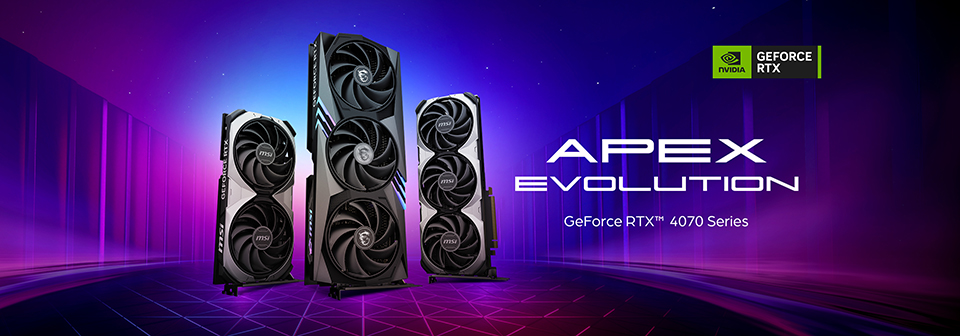
The arrival of Nvidia’s RTX 5000 series marks a significant turning point in the evolution of the graphics card market. This section explores current and future trends in the field, highlighting the impact of emerging technologies such as PCI 5.0, and considers what this could mean for consumers and the industry.
Implications for Consumers and the Industry
- Consumer Choices and Decisions: With more powerful and more efficient options available on the market, consumers have a wider range of choices, but they also need to navigate increasingly complex technical considerations when making a purchase.
- Predictions for the Industry: The graphics card industry is buzzing with constant innovations that push the boundaries of what’s possible. The increased competition between major players such as Nvidia, AMD, and now Intel promises a rapid and exciting evolution in this area.
Conclusion
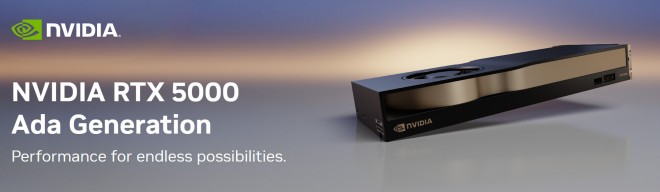
Nvidia’s RTX 5000 graphics cards are expected to mark an important milestone in the evolution of graphics technologies. They represent not only a major leap forward in performance, energy efficiency, and technological innovations, but also reshape users’ expectations for high-end graphics. With their 3-nanometre manufacturing process, integration of the PCI 5.0 interface, and significant improvements in data transfer speeds and display capabilities, the RTX 5000 position themselves as leaders in the GPU market.
The RTX 5000 are not just a product for tech enthusiasts and professionals; they’re also an indicator of where the graphics card industry is headed. As such, they influence not only consumers’ current decisions, but also how graphics technologies will continue to evolve. In a world where graphics are increasingly essential in many aspects of our digital lives—from content creation to virtual reality—the RTX 5000 give us a fascinating glimpse of what the future holds.
