 Your PC in instalments (up to 12x)
Storage: HDD or SSD ?
Hard drives (HDD) and SSD drives (Solid State Drive) are two types of data storage used in modern computers. Although both technologies are capable of storing data, they have distinct advantages and disadvantages.
In this article, we’ll explore the advantages and disadvantages of hard drives and SSD drives.
What is a HDD ?
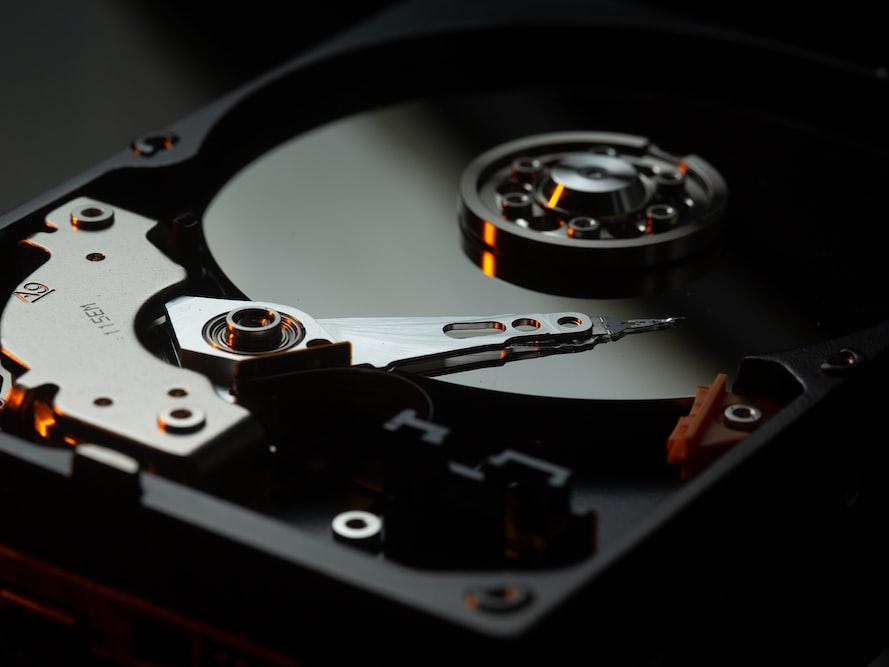
An HDD (Hard Disk Drive) is a type of data storage used in computers and other electronic devices.
The hard drive consists of one or more magnetic disks that spin at high speed and store data using a read/write arm.
The advantages of HDD hard drives HDD
Hard drives have been used for decades to store data on computers. They have significant advantages, including:
High storage capacity : Hard drives are available in capacities of up to several terabytes, making them ideal for storing large amounts of data, such as videos, images, audio files and software.
Affordable cost : Hard drives are generally cheaper than SSD drives, making them an economical choice for people who need to store large amounts of data.
Longevity : Hard drives have a longer lifespan than SSD drives because they can be repaired and reused more easily. Hard drive parts can be replaced if necessary, which can extend the drive’s lifespan.
The disadvantages of HDD hard drives HDD
Although hard drives have significant advantages, they also have disadvantages, including:
Slower read/write speed : Hard drives have slower read/write speeds than SSD drives, which can slow down the loading times of programmes and files.
Fragility : Hard drives are more fragile than SSD drives because they contain mechanical moving parts. If the hard drive is subjected to a shock, the parts can break and lead to data loss.
What is a SSD ?
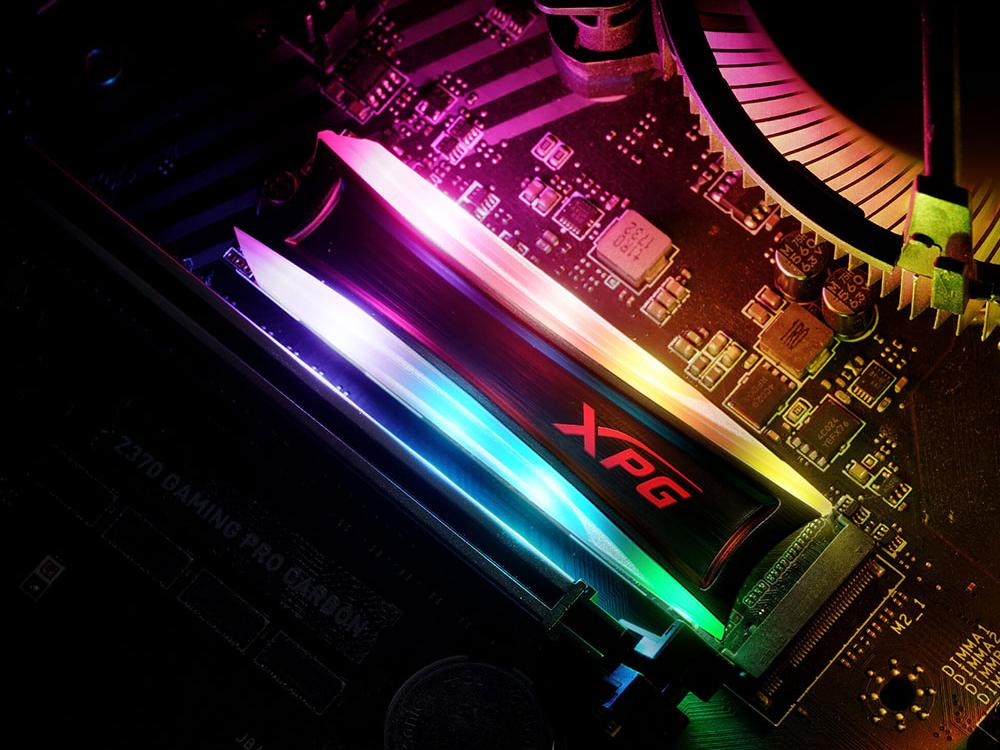
An SSD (Solid State Drive) is a type of data storage used in computers.
Unlike traditional hard drives (HDD), which use spinning disks to store data, SSDs use flash memory chips to store data.
The advantages of SSD drives
SSD drives are a newer data storage technology and have significant advantages, including:
Fast read/write speeds : SSD drives have faster read/write speeds than hard drives, which can speed up the loading times of programmes and files.
Durability : SSD drives are more durable than hard drives because they do not contain mechanical moving parts. This makes them less prone to failures and to data loss caused by shocks.
The disadvantages of SSD drives
Although SSD drives have significant advantages, they also have disadvantages, including:
Limited storage capacity : SSD drives have limited storage capacity compared with hard drives. Although SSD drives are available in capacities of up to several terabytes, they are often more expensive than hard drives of the same capacity.
High cost : SSD drives are often more expensive than hard drives of the same capacity, making them a pricier option for people who need to store large amounts of data.
Limited lifespan : SSD drives have a limited lifespan compared with hard drives. The memory cells in an SSD have a limited lifespan, meaning they can only be used a certain number of times before they begin to degrade.
Conclusion
Hard drives and SSD drives each have their own advantages and disadvantages. Hard drives are cost-effective, offer high storage capacity, and are more durable than SSD drives.
SSD drives, on the other hand, offer fast read/write speeds and are more durable. It’s important to weigh these advantages and disadvantages when choosing a data storage system for your specific needs.
