 Pay for your PC in installments (up to 12 payments)
AMD’s Renewed Brilliance: Launch of the Radeon RX 7800 XT and RX 7700 XT
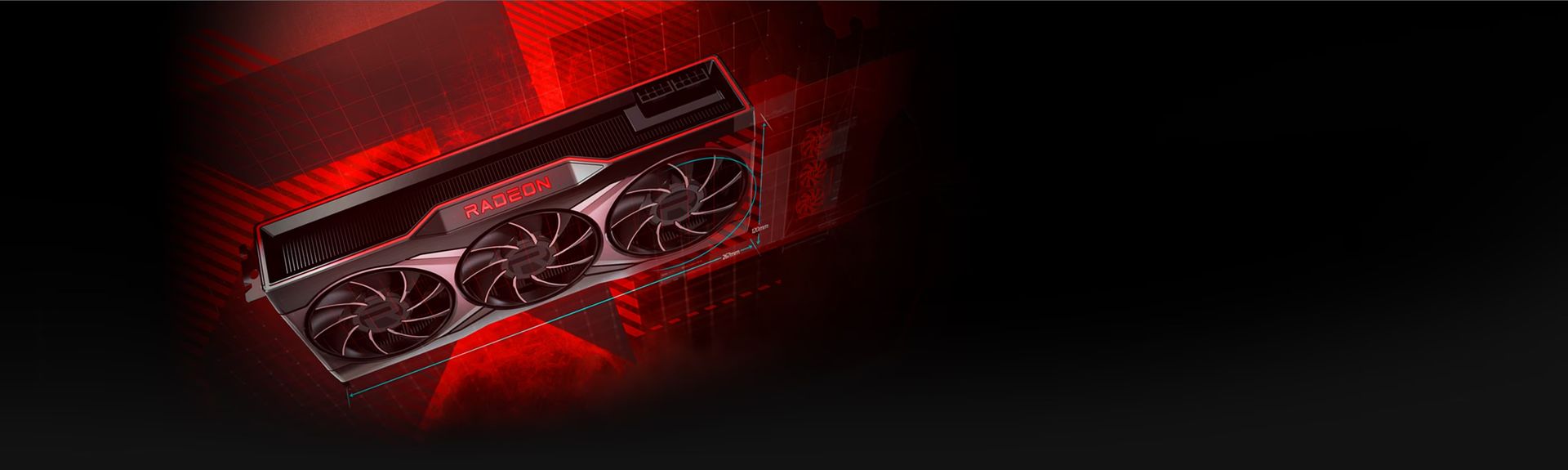
In the fast-moving world of hardware, competition between industry giants is what keeps innovation on the move. Recently, AMD made a bold move by launching its new graphics cards, the Radeon RX 7800 XT and the Radeon RX 7700 XT, bringing a fresh wave of excitement to the hardware enthusiast community.
In this article, we’ll explore the latest in hardware, like the new arrivals in AMD’s range, and see how they stack up against competition from Nvidia.
Launch and Reception
The recent launch of the Radeon RX 7800 XT and RX 7700 XT graphics cards by AMD was met with a mix of anticipation and optimism. The initial reception of these cards was fairly positive, especially for the RX 7800 XT. AMD managed to overcome the historical scepticism surrounding GPU launches thanks to solid performance and sensible pricing, avoiding the kind of “pricing shenanigans” that have often been a source of disagreement in the past.
Comparison with Nvidia
The comparison between AMD and Nvidia is a long-standing tradition in the hardware world. The RX 7800 XT was particularly well received, with an average rating of B, outshining Nvidia’s competition, especially the 4060 Ti 16GB, which was criticised for its high initial price. Although the RX 7800 XT has only shown a modest improvement over the RX 6800 XT, its $500 price tag makes it an attractive option for gamers—especially compared with the RX 6800 XT’s $650 launch price in 2020.
On the other hand, the RX 7700 XT, despite being $50 cheaper, was seen as less appealing, suggesting a possible strategy from AMD to steer consumers towards the slightly more expensive RX 7800 XT.
In brief
The launch of the Radeon RX 7800 XT and RX 7700 XT marks a significant moment for AMD, which appears to be on an upward trajectory in the endless war of graphics hardware. With competitive pricing and solid performance, AMD hasn’t just managed to capture the community’s attention—it has also posed a serious challenge to Nvidia. As the battle for GPU supremacy continues, consumers and tech enthusiasts will be the real winners, benefiting from more capable and more affordable options on the market.
Starfield: An Astronomical Journey with Technical Challenges
In the cosmos of video games, the arrival of Starfield was met with a flurry of shooting-star excitement. This long-awaited game promised an unprecedented space adventure, but like any interstellar odyssey, it isn’t without its turbulence. In this article, we’ll explore Starfield’s reception and the technical challenges players on PC encountered.
Rousing Reception
Starfield landed in the world of gaming with a broadly positive reception. Feedback was mostly positive, helped by the expiry of the paid early access window, as well as by a plethora of mods available on Nexus mods.com. However, despite the warm welcome, the game ran into technical challenges, particularly regarding performance on PC.
Performance Issues on PC
Players encountered performance problems, especially at higher resolutions. Even with expensive GPUs such as the RTX 4080 or 4090, the game struggles to maintain high frame rates—a problem reminiscent of the “Crysis” days, when existing hardware had difficulty keeping up. This situation has raised questions about how well the game is optimised for PC configurations.
Optimisation and the Need for Hardware Upgrades
In an interview with Bloomberg Technology, senior figures from Bethesda and Xbox responded to concerns about optimisation by saying that the game was well optimised, but that players’ PCs might need an upgrade for a better experience. This answer highlighted stagnation in the GPU market, where performance improvements per dollar have been minimal in recent launches by Nvidia and AMD.
The discussion around optimisation and hardware upgrades highlights an ongoing dilemma in the gaming industry. On the one hand, developers want to push technological boundaries, creating more immersive and detailed worlds. On the other hand, this can alienate part of the player base who don’t have the latest cutting-edge hardware.
In summary
Starfield invites us on a journey across the stars, but the technical challenges on PC are a reminder that travelling to distant worlds sometimes requires the right hardware preparation. As discussions about optimisation and hardware upgrades continue, players and developers will navigate together this unexplored frontier, trying to strike a balance between technological innovation and accessibility.
Navigating Starfield’s Space: Intel’s Crucial Updates
In the dynamic arena of gaming, compatibility between the game and the hardware is the key to an immersive experience. Starfield, with its expansive universe, has highlighted certain technical challenges—particularly for owners of Intel Arc GPUs. Fortunately, Intel has taken proactive steps to improve the situation. In this article, we’ll explore the latest Intel driver updates designed to enhance compatibility with Starfield.
Intel Driver Update
In response to the performance issues encountered by Starfield players, Intel reacted by releasing a driver update to improve compatibility with Arc GPUs. This update was eagerly awaited by the community, as it promised to ease some of the problems seen so far, delivering a smoother gaming experience.
Impact on Compatibility
The driver update was a step in the right direction for resolving compatibility issues between Starfield and Intel Arc GPUs. Although improvements have been made, Intel noted that there is still work to do. This shows Intel’s ongoing commitment to optimising the interaction between its hardware and Starfield—reassuring for players.
Intel’s quick response to compatibility problems with Starfield is a testament to the importance of a harmonious interaction between the game and the hardware. As Starfield continues to draw players into its astral universe, driver updates like Intel’s are crucial steps to ensure the gaming experience stays immersive and free of hiccups. With continued support and timely updates, players can expect to navigate Starfield’s space with improved performance, making the interstellar odyssey even more captivating.
The Horizon of Processors: AMD and Intel’s Promises
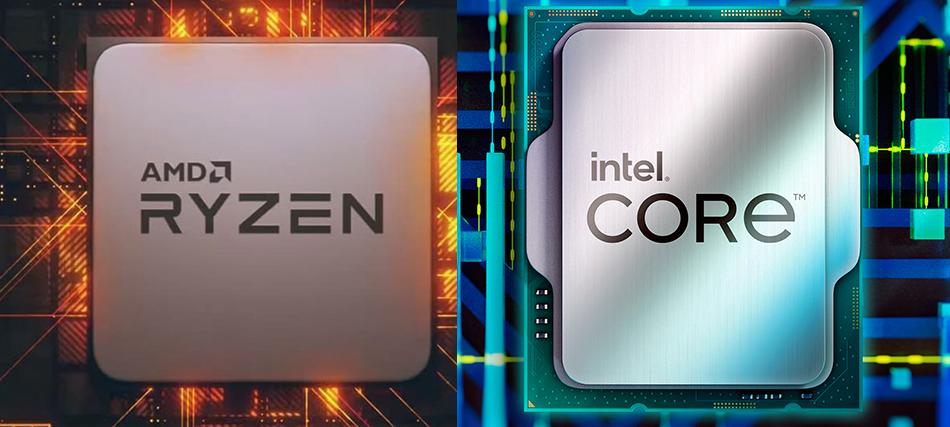
In the ever-evolving world of computer hardware, industry giants AMD and Intel are in a constant race to unveil ever more powerful processors and innovative platforms. Anticipation around AMD’s future Threadripper 7000 processors and Intel’s Granite Rapids and Meteor Lake processors is palpable. In this article, we’ll take an in-depth look at these processing giants of the future and the platforms that will accompany them.
AMD
The Dawn of Threadripper 7000 and Storm Peak: AMD’s Threadripper line has always stood for raw power and efficient multitasking. The next generation, Threadripper 7000, paired with the Storm Peak platform code-named, promises to push the limits even further. ASRock’s reveal of a new TRX50WS motherboard points to a move towards a new architecture, with support for DDR5 memory and a substantial increase in the number of cores—up to as many as 96 cores with a 350-watt TDP. This advance means not only higher processing power, but also improved energy efficiency and memory bandwidth.
Intel
The Granite Rapids and Meteor Lake Revolution: On the other hand, Intel is not standing still with its upcoming Granite Rapids and Meteor Lake processors. Granite Rapids processors could offer up to 56 cores and 112 threads, with support for 12 channels of DDR5 memory and 136 lanes of PCIe 5.0—promising outstanding performance for resource-hungry applications.
Meteor Lake, meanwhile, is presented as a major step forward with the introduction of LPDDR5X memory on package, promising improved performance and increased energy efficiency.
The future of computing looks bright thanks to the promising advances from AMD and Intel. While AMD’s Threadripper 7000 chips promise to push processing power even further, Intel’s innovations with Granite Rapids and Meteor Lake promise a revolution in efficiency and performance. These advances are proof of the industry giants’ continuing commitment to propel computer hardware to new heights. For hardware enthusiasts and professionals looking to stay at the cutting edge of technology, the future is sure to bring exciting experiences and unexplored possibilities.
The Balance Between Innovation and Security: Speculation and Vulnerabilities in the Hardware World
The hardware industry is fertile ground for constant innovation and the discovery of new technological frontiers. However, with every advancement comes a series of challenges, particularly when it comes to security. In this article, we explore the speculation surrounding a new Valve device and discuss a recent vulnerability affecting AMD CPUs based on Zen 2.
Speculation About the New Valve Device
Rumours of a new Valve device have created a wave of anticipation in the hardware community. While the details are still unclear, the excitement is unmistakable. Valve, known for its ongoing innovation, could potentially introduce a device that could be a game-changer for the gaming or hardware ecosystem. The speculation continues to buzz on, and the community is eager to see what Valve has in store.
Vulnerability in AMD CPUs Based on Zen 2
On the other hand, a recent vulnerability has been brought to light, affecting AMD CPUs based on the Zen 2 architecture. This vulnerability could potentially allow malicious actors to exploit systems and gain access to sensitive information. AMD is well aware of these challenges and is working diligently to address these security issues. The disclosure of this vulnerability highlights the crucial importance of security in hardware development, and serves as a reminder that innovation must always be balanced with robust protective measures.
Conclusion
The hardware industry is a fascinating mix of innovation and challenges. As we look forward to the speculation surrounding the new Valve device, the vulnerability in AMD CPUs reminds us of the importance of staying vigilant when it comes to security. As the industry moves forward, the balance between exploring new technological frontiers and ensuring users’ safety will remain a central issue. The days ahead look promising, and with continued focus on security, the future of hardware is bright—backed by the promise of exciting innovations and robust solutions to emerging challenges.
The Petabyte Era: Cerabite’s Storage Innovation
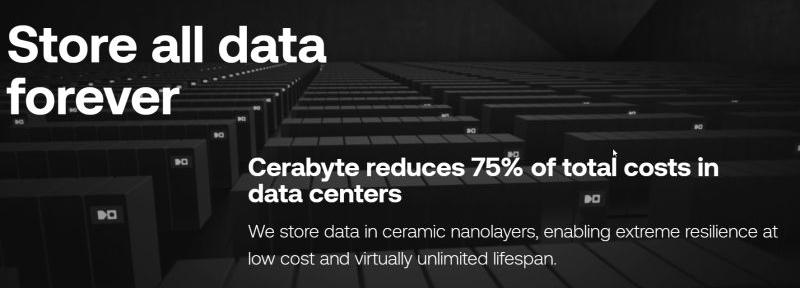
In a world where data has become the new oil, efficient management and storage of that data are crucial. Innovation in data storage is an urgent necessity to satisfy the insatiable demand for storage space in the digital age. Cerabite, an emerging player in this field, has recently unveiled a technology that promises to revolutionise the way we store and access data. In this article, we’ll take a closer look at the details of Cerabite’s innovation, which makes it possible to store up to 10 petabytes of data in racks.
The Cerabite Revolution
Cerabite has introduced a storage technology that enables an impressive capacity of 10 petabytes of data in racks. This capacity is a significant milestone, offering a robust solution to the storage challenges many organisations face today. With such capacity, businesses can manage massive volumes of data more efficiently, while reducing physical clutter and the costs associated with data storage.
Key Features
Cerabite’s innovation doesn’t stop at storage capacity. The technology also promises fast data retrieval and a significant reduction in latency, which is crucial for real-time applications and large-scale data analytics. In addition, Cerabite’s technology is designed to be scalable, allowing organisations to grow alongside their data needs without having to invest in entirely new storage infrastructure.
Impact on the Industry
The arrival of this Cerabite storage technology could signal a turning point in the data storage industry. With a storage capacity of 10 petabytes, organisations can consider new ways to manage, analyse and use their data. It could also accelerate the adoption of emerging technologies such as AI and Big Data analytics, which depend heavily on access to vast quantities of data.
In conclusion
Cerabite’s innovation in the data storage sector is a promising step forward towards tackling the persistent storage challenges of the digital era. With the ability to store up to 10 petabytes of data in racks, Cerabite offers a solution that could well redefine industry standards for data storage. As we move further into the petabyte era, innovations like Cerabite’s will be at the heart of how we manage the ongoing avalanche of data generated every day.
It’s clear that the hardware industry is buzzing with innovation. From industry giants like AMD and Intel to emerging players like Cerabite, and individual enthusiasts with their own personal projects, every entity helps shape the future of hardware. By staying committed to ongoing exploration and innovation, we can all look forward to a promising hardware future—full of discoveries and advances that will continue to redefine the boundaries of what’s possible.
