 Pay for your PC in installments (up to 12 payments)
How much VRAM do you need to play?
The importance of VRAM in today’s graphics cards is a topic that comes up quite often, given the many new video game releases that are always more demanding. The discussion regularly centres on working out the right amount of VRAM needed to achieve optimal performance—particularly when it comes to recent games.
This article looks at the development of VRAM, its impact on gaming experiences, but above all the importance of understanding its implications in order to choose the graphics card best suited to your expectations and your needs in terms of gaming.
The evolution over time of VRAM in graphics cards
Back in the days of the GTX 1070 graphics card, which was released eight years ago, NVIDIA introduced a revolutionary development in VRAM. This consumer graphics card came with an impressive 8 GB of VRAM and cost about £450 (quite a hefty sum for the time).
Taking inflation into account, that would be roughly £600 in today’s money—about the price of an RTX 4070 Super.
What about modern graphics cards?
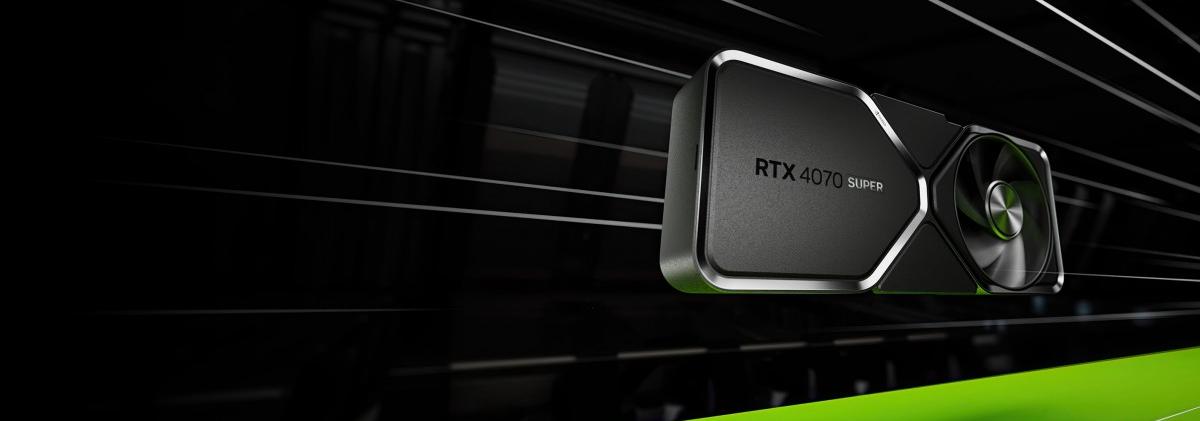
Today, for £600 you can get a GeForce RTX 4070 Super with 12 GB of VRAM. Although that is an increase, it isn’t proportional to the growing VRAM needs of today’s games.
For example, the RTX 4060 Ti, launched at £400, with just 8 GB of VRAM, has turned out to be limited for demanding games in QHD or UHD.
What impact does VRAM have on gaming performance?
Is 8 GB of VRAM really not enough?
The 8 GB and 16 GB versions of the RTX 4060 Ti clearly show that 8 GB of VRAM no longer suffices for high-end games at resolutions higher than Full HD.
The 16 GB model offers not only higher frame rates, but also a smoother gaming experience with fewer spikes in frame times.
A striking example is Horizon Forbidden West. With very high settings at 1440p, the 16 GB version of the RTX 4060 Ti is up to 35% faster than the 8 GB version, delivering a much smoother experience.