 Pay for your PC in installments (up to 12 payments)
19 May 2025 marks an important moment for the world of gaming and digital creation. NVIDIA officially launches the GeForce RTX 5060, an entry-level graphics card that rounds out the 50 series by positioning itself just below the 5060 Ti.
With the Blackwell architecture and a wide range of AI optimisations, the RTX 5060 is designed to deliver solid gaming performance in 1080P, well-managed power efficiency, and broad compatibility with creative applications—at a competitive price.
It therefore targets a wide audience, from demanding gamers with a reasonable budget to budding content creators.
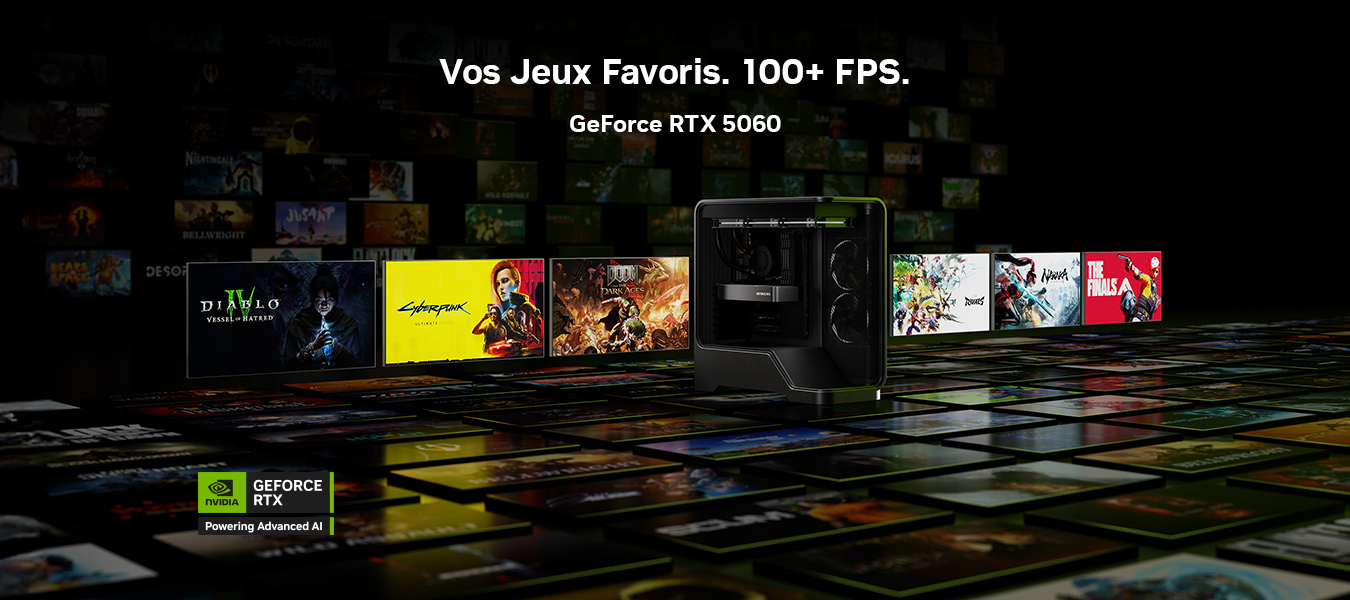
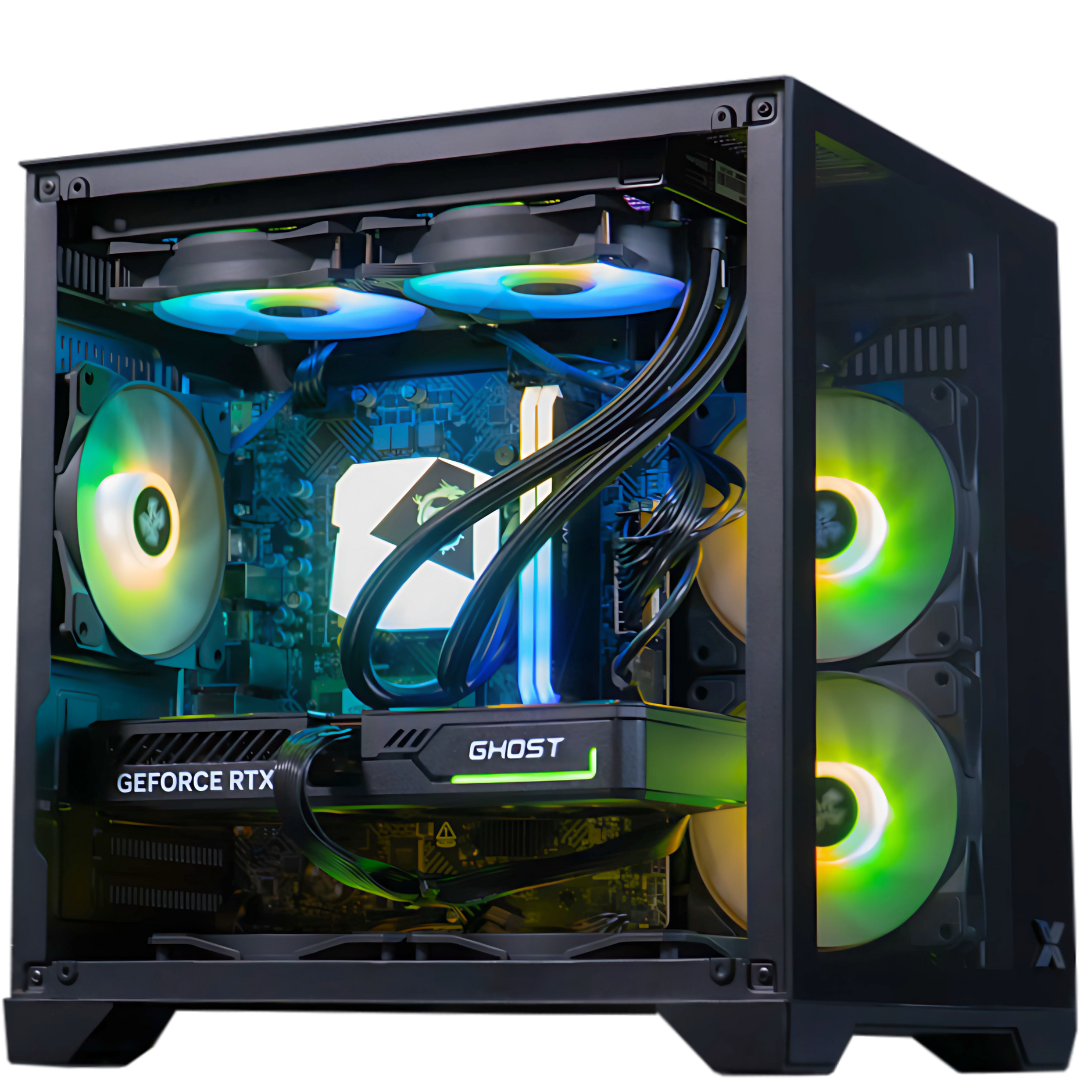
🔥 NEW FOR 2026: Level up with our gaming PC powered by the RTX 5060!
✅ NVIDIA GeForce RTX 5060 – Blackwell architecture, DLSS 4, 4th-gen Ray Tracing
✅ Intel Core i5-12400F processor
✅ 16 or 32GB DDR4 + 1TB NVMe SSD
✅ Compact RGB case + high-performance cooling
✅ Perfect for 1080p/1440p gaming
💥 Available now from €919 inc. VAT
Technical specifications of the RTX 5060
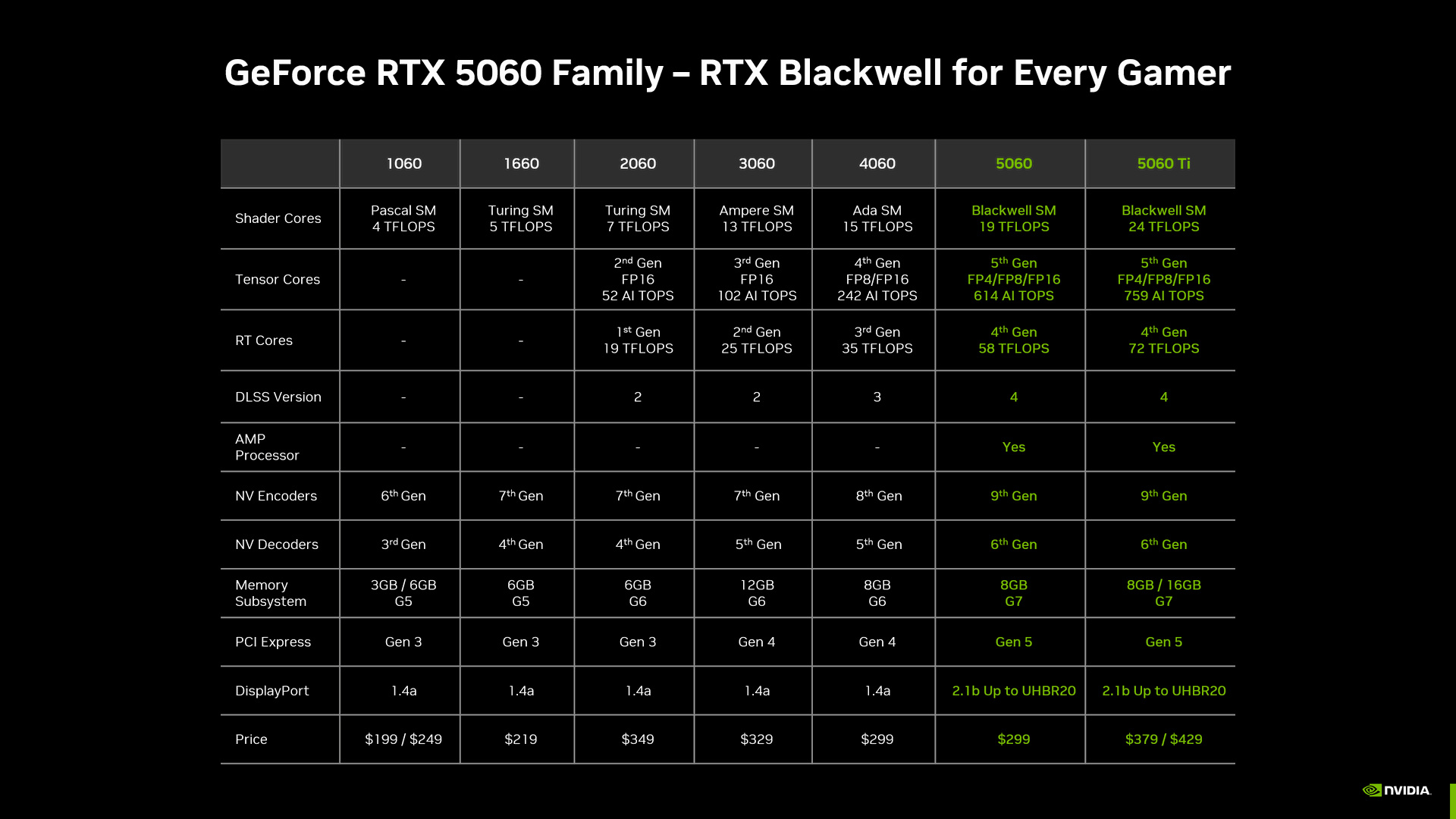
The RTX 5060 is built on the new Blackwell architecture, which succeeds Ada Lovelace. This architecture introduces a new generation of CUDA, Tensor and RT cores. The card includes fifth-generation Tensor cores and fourth-generation RT cores, specially optimised for ray tracing and artificial intelligence applications.
On the memory side, the RTX 5060 comes with 8GB of GDDR7 memory, a first for this price tier. With a 448GB/s memory bandwidth, the card is able to handle even the most demanding games, as well as digital creation software that’s hungry for resources.
It reaches boost frequencies of around 2.5GHz, while keeping power consumption under control. A 550W power supply unit is sufficient, making it easy to integrate into most modern setups without needing a major upgrade.
AI features and built-in technology
The RTX 5060 benefits from the latest version of Deep Learning Super Sampling: DLSS 4. This technology enables multi-image generation, which significantly improves framerates while preserving crisp image quality. It’s one of the standout features of this generation, especially appreciated in AAA titles.
The card also supports NVIDIA Reflex 2 with Frame Warp, a major advantage for competitive gamers. This technology reduces the latency between the player’s action and its display on screen, improving accuracy and responsiveness in competitive FPS and Battle Royale-style games.
For creators, compatibility with the NVIDIA Studio suite makes it possible to take advantage of specific optimisations for video editing, 3D and graphic design. Studio drivers, the latest-generation encoders/decoders and the RTX 5060 chip make it a powerful creation tool.
Gaming performance
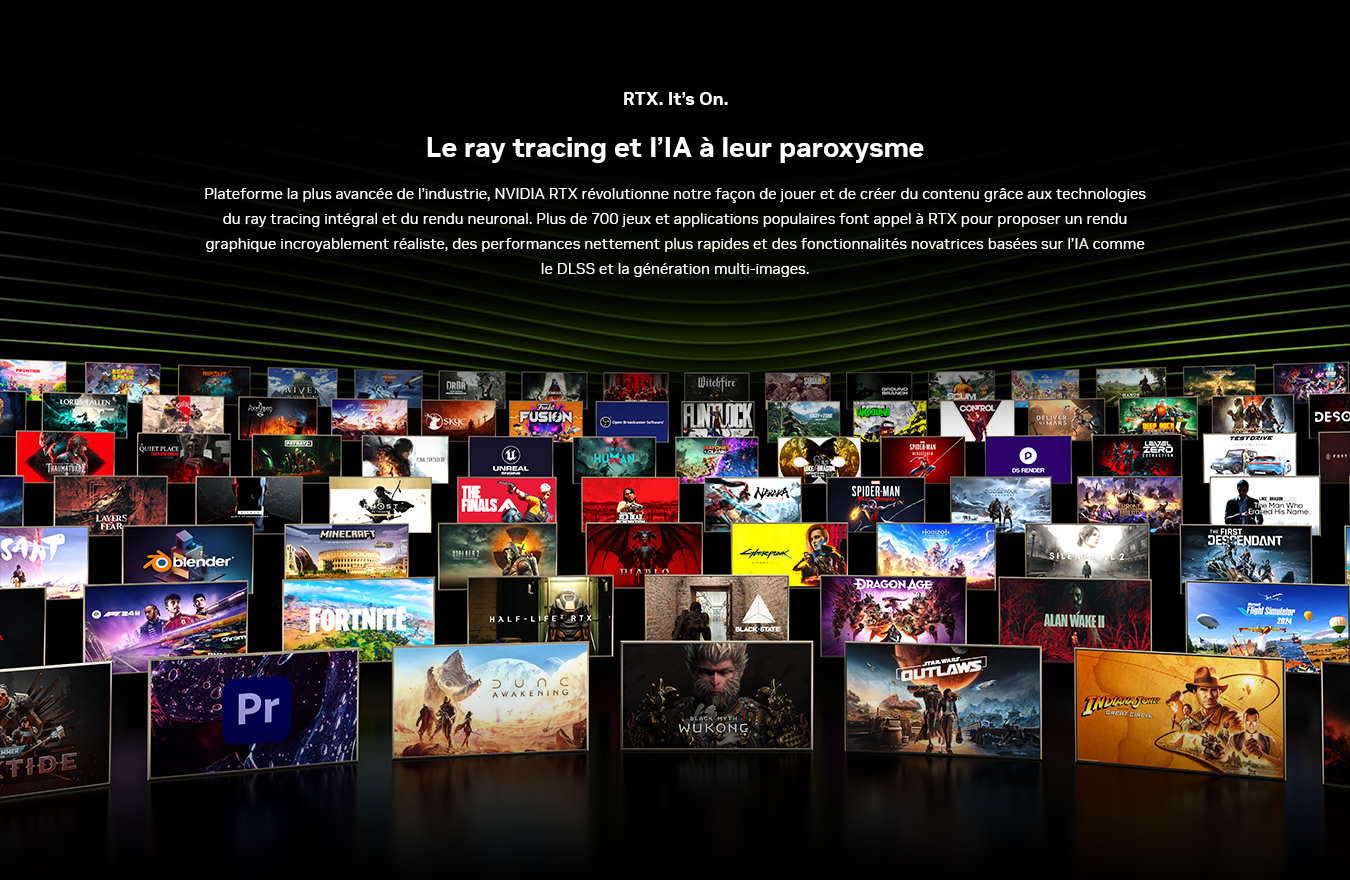
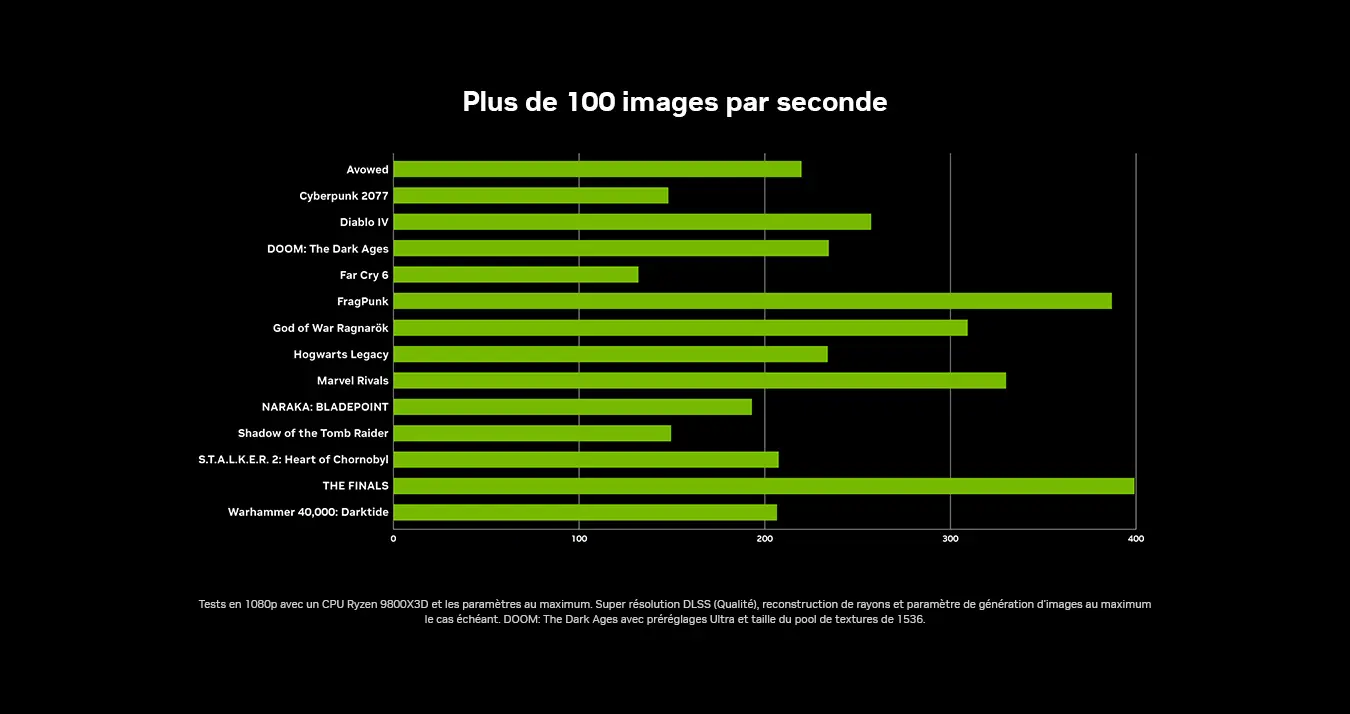
The GeForce RTX 5060 is built for 1080p and potentially 1440p. Tested on some of the most demanding 2026 games such as Cyberpunk 2077 or Alan Wake II, it delivers perfect smoothness with highly pushed graphical details. Enabling DLSS 4 even makes it possible to consider smooth ray tracing in 1080p.
Compared with the previous generation, the RTX 5060 offers an improvement of 35 to 40% over the RTX 3060, and around 15% better than the RTX 4060, particularly in games optimised for the latest AI technologies.
Thanks to fourth-generation RT cores, the RTX 5060 offers a highly convincing ray tracing experience, especially when combined with DLSS 4 in Performance mode. It can achieve over 60 frames per second on the latest gaming blockbusters.
Value for money and availability
The RTX 5060 launches at a price of $299, i.e. approximately €329 inc. VAT. This pricing positioning makes it quite accessible for the general public, while including technologies previously reserved for higher-end models. It clearly targets an excellent value for money.
From the day it goes on sale, the RTX 5060 is available from NVIDIA’s partner retailers, both in physical stores and online. The company has promised better availability than during previous launches, with higher production volumes to avoid shortages.
For anyone looking for a modern graphics card, compatible with the latest AI technologies and powerful enough for today’s games, the RTX 5060 is a sensible investment for the years ahead.
Why choose a PC with the RTX 5060 in 2026?
The NVIDIA GeForce RTX 5060 is ideally suited to modern builds. Whether inside an ATX or micro-ATX case, it fits easily with a 550W power supply. It also offers excellent upgrade potential for gamers who plan to improve their PC gradually without having to replace everything at once.
It’s also a card that meets the hybrid needs of today’s player-creators. It lets you game, stream, edit videos or even retouch photos with consistent, reliable performance—without any extra power draw or thermal overhead.
❓ Frequently Asked Questions (FAQ) – RTX 5060
1. What are the performance of the RTX 5060 in 1080p and 1440p?
The RTX 5060 shines in 1080p and delivers over 60 FPS in most of today’s recent games, even with Ray Tracing enabled thanks to DLSS 4. At 1440p, it also provides a smooth experience across most optimised titles.
2. Is the RTX 5060 compatible with Ray Tracing and DLSS?
Yes, the NVIDIA GeForce RTX 5060 supports Ray Tracing via its 4th-generation RT cores and DLSS 4, including Multi Frame Generation technology to boost FPS while maintaining excellent image quality.
3. What’s the difference between the RTX 5060 and the RTX 4060?
The RTX 5060 offers GDDR7 memory, higher bandwidth (448 GB/s) and noticeable improvements thanks to the Blackwell architecture. It outperforms the 4060 by around 15% in recent titles and in AI productivity workloads.
4. Which processor should you choose with an RTX 5060?
An Intel Core i5-14600KF or AMD Ryzen 5 7600 is recommended to get the full potential of the RTX 5060 without creating a bottleneck. For content creation, an i7 or Ryzen 7 is a good complement.
5. What power supply is needed for a setup with an RTX 5060?
A 550W power supply is sufficient in most cases. However, a 650W 80+ Gold-certified unit is ideal to ensure optimal stability and to prepare for future upgrades to the system.
