
By the FlowUP team, gaming PC builder in Genappe (Belgium) · Updated 28 September 2026
In short: a PC that switches off by itself almost always has one of these three problems: the power supply (power cut right from boot or while gaming), overheating (shut-down after a few minutes, with no message), or a software issue (driver, update, unstable RAM, often with a blue screen). Find your symptom in the table below, then follow the corresponding solution.
Your computer shuts down without warning? Whether it happens mid-game, during an update, or even just after you’ve turned it on, these sudden power-offs can indicate faults of varying severity. Before replacing a component or panicking, it’s essential to identify where the problem is coming from: the power supply, overheating, software, or even a faulty graphics card.
In this complete 2026 guide, we present the 7 most common causes of a computer that shuts down by itself, and for each one the solution to try first.
Quick diagnosis: what symptom, what cause?
| Symptom | Likely cause | First check |
|---|---|---|
| Switches off 1 to 3 seconds after powering on | Power supply, mains cable, power button | Change the cable and the socket, test by bridging |
| Switches off after 5 to 15 minutes | Processor or graphics card overheating | Temperatures, dust, thermal paste |
| Cut-out while gaming or rendering | Power supply too weak, unstable graphics card | Test with another power supply, GPU drivers |
| Random shutdowns | Drivers, RAM, system drive | sfc /scannow, MemTest86, drivers |
| After sleep mode or after an update | Power management, faulty update | Disable fast startup, roll back |
| Laptop that switches off when you move it | Loose contact, battery | Test on mains without a battery |
| Blue screen then shutdown | Critical hardware error or driver | Note the stop code, test the RAM and the drive |
For an overview of the checks on the Windows side, the windroitech video below shows the settings to check when a PC shuts down or reboots by itself:
Symptom 1: The computer turns off immediately after powering on
Most likely cause: Power supply problem
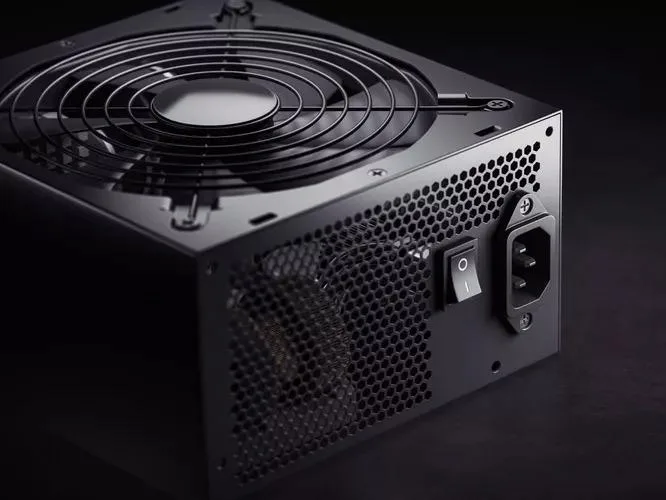
If your PC shuts down within 1 to 3 seconds after pressing the power button, the most common cause is a faulty or unstable power supply. It can also be caused by a loose connection at the mains power cable, a failing power button, or an internal short circuit. If the PC won’t power on at all, follow our guide my computer won’t start.
Recommended solutions:
- Try a different mains cable: sometimes a simple damaged cable is enough to interrupt the current.
- Do a power bridging test: to see if the power supply unit works without the motherboard.
- Check the extension lead or change the wall socket: some faulty UPS units can cause a power cut.
- Visually inspect the inside of the case: swollen capacitors, poorly connected cables, excessive dust around the PSU.
How to do a power bridging test?
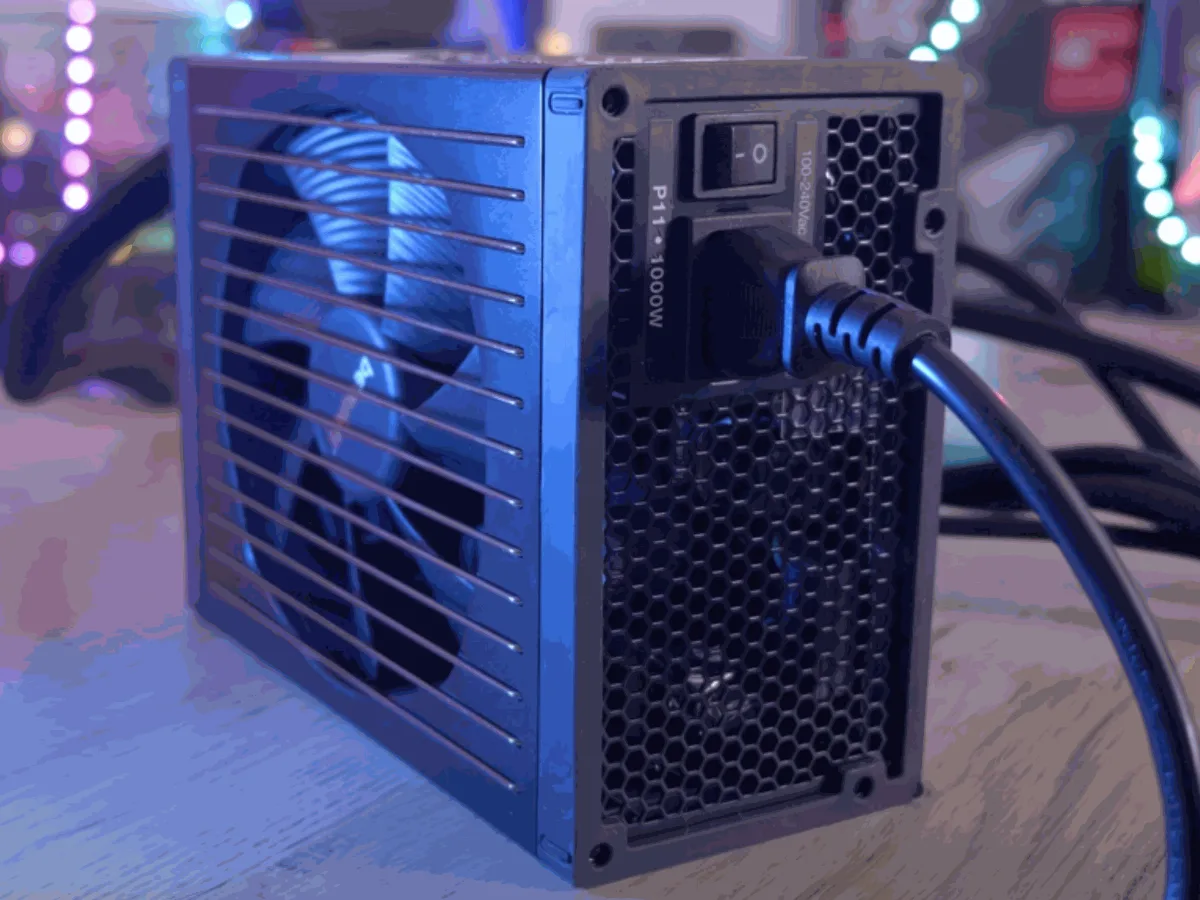
Bridging allows you to start a power supply without the motherboard, to test that it works properly or to power another device (pump, fan, LED, etc.).
Required equipment
- A ATX power supply unit
- A power lead, a paperclip, or a pre-made bridging connector
- A minimum load (fan or LED) is recommended to test under power
Simple steps
1. Unplug the power supply from the mains
Always start with the power off to avoid any risk of electric shock.
2. Identify the 24-pin connector (the one that plugs into the motherboard)
It’s wider and usually the largest output from the power supply.
3. Take a bridging wire.
You can use a bridging wire bought in a shop or make one yourself with a simple paperclip.

4. Connect the bridging wire
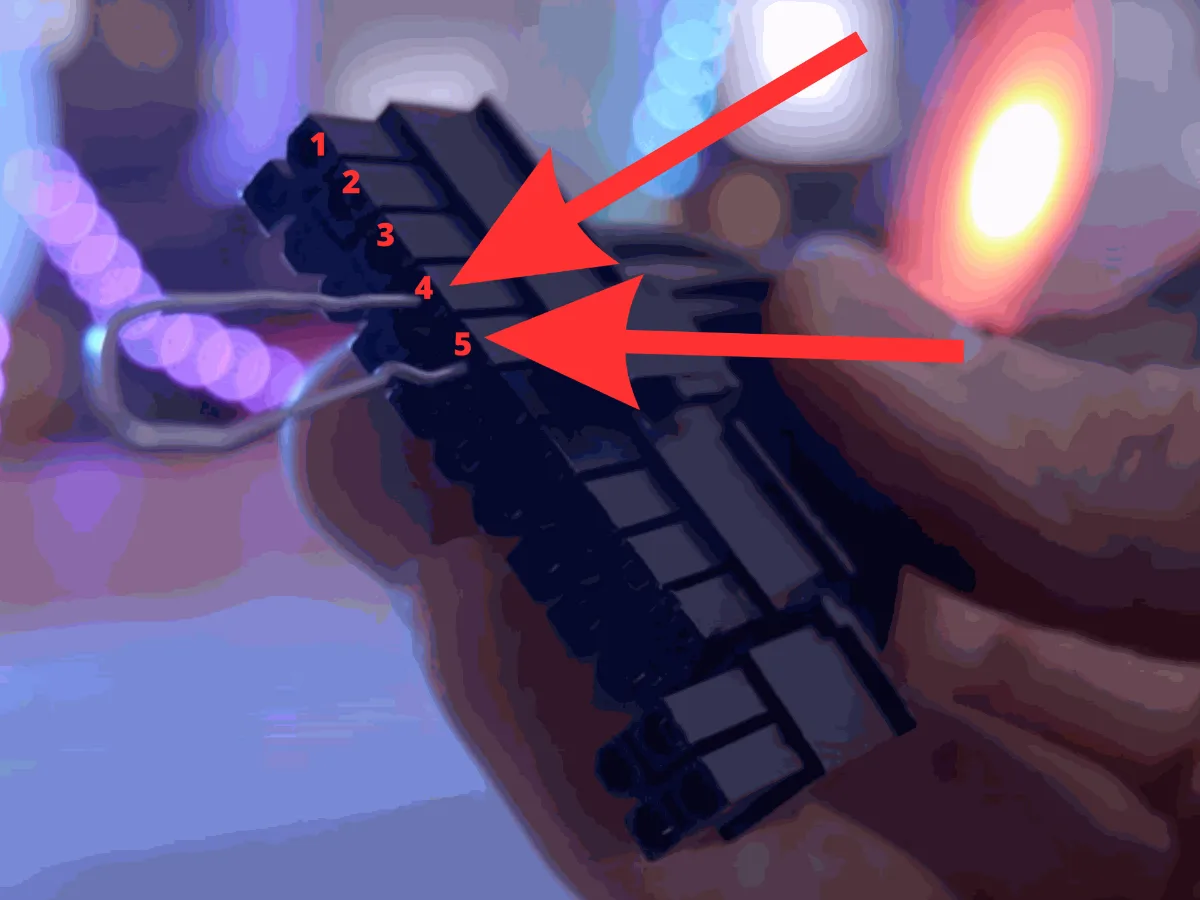
Plug one end of the bridging wire into the connector for the 24-pin section of the main PSU connector, by connecting the two pins of the bridging wire to pins 15 and 16 (4 & 5 on the diagram), which are the green and black pins (sometimes all the pins are black, please refer to the image).
The green and black pins are the power-activation pins, and they must be connected for the power supply to start.
5. Plug the power supply into the mains
Connect the power supply to an electrical socket and switch it on using the switch located at the back of the power supply.
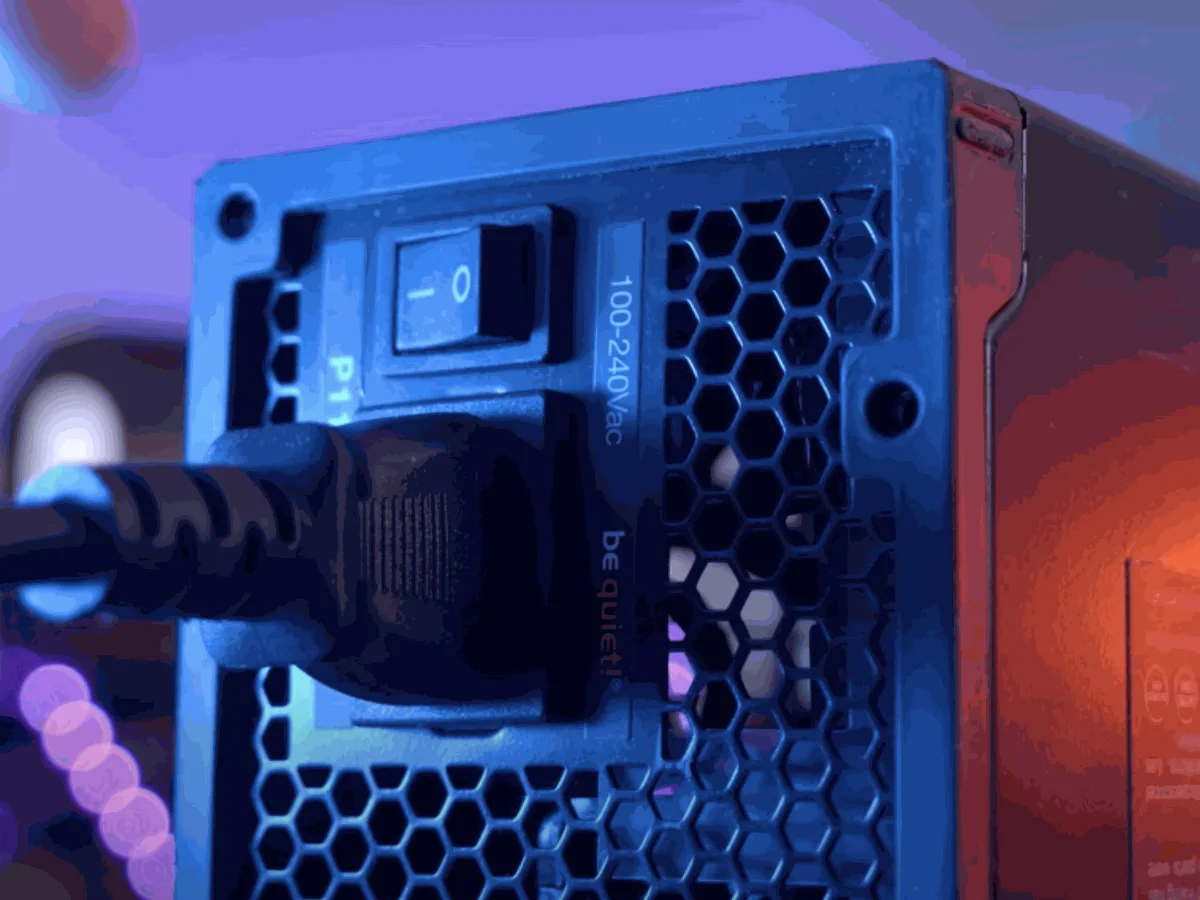
6. Test & verification
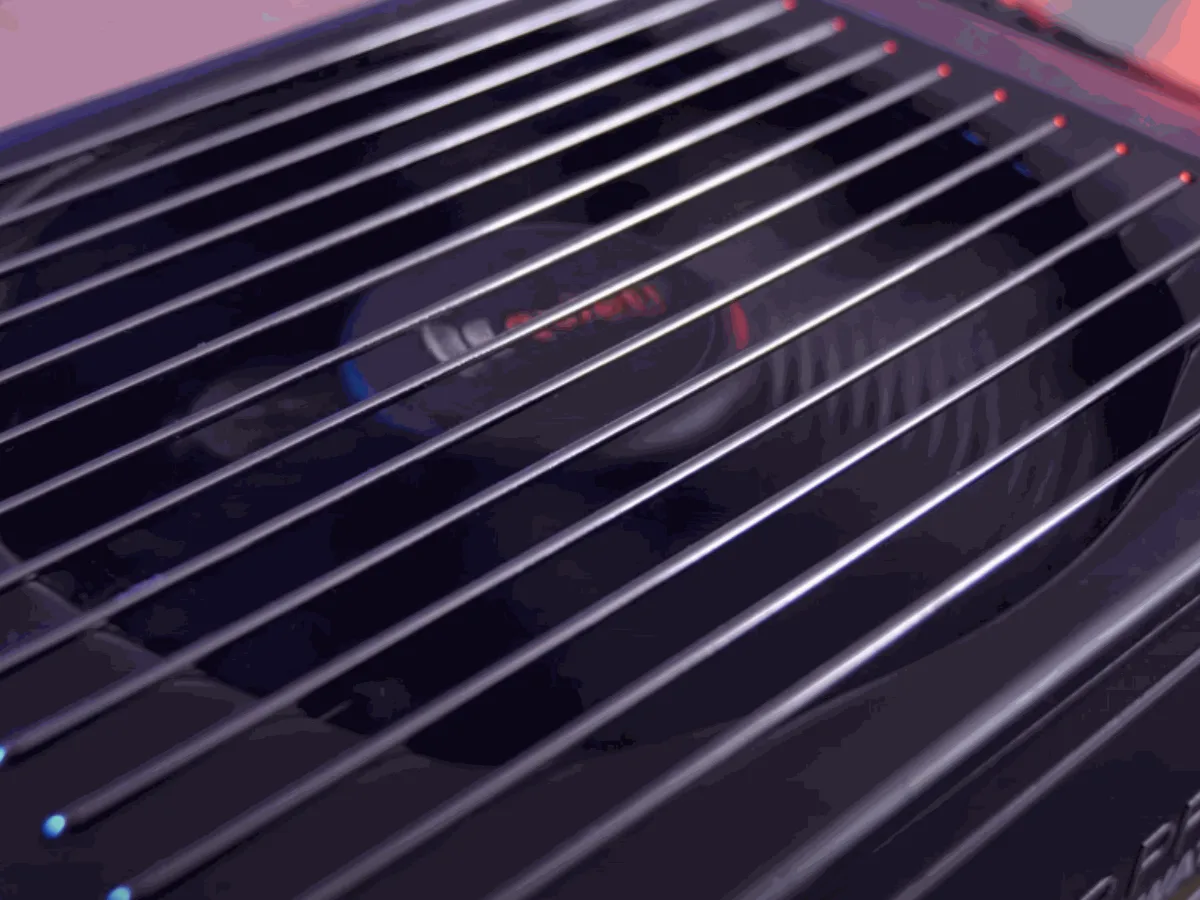
Check that the power supply is working properly by listening for the PSU fan noise and by looking to see if the power supply lights come on.
You can also use an external hard drive (HDD) connected via SATA to touch it and see whether it vibrates (a sign that the power supply is working).
Tips:
- Never carry out this test without a minimum load on certain models, as it can damage the PSU.
- Avoid touching the bridge once the plug is connected.
- Use a special bridging connector if you do this often (sold for a few euros).
Symptom 2: The PC shuts down after a few minutes
Most likely cause: CPU or GPU overheating
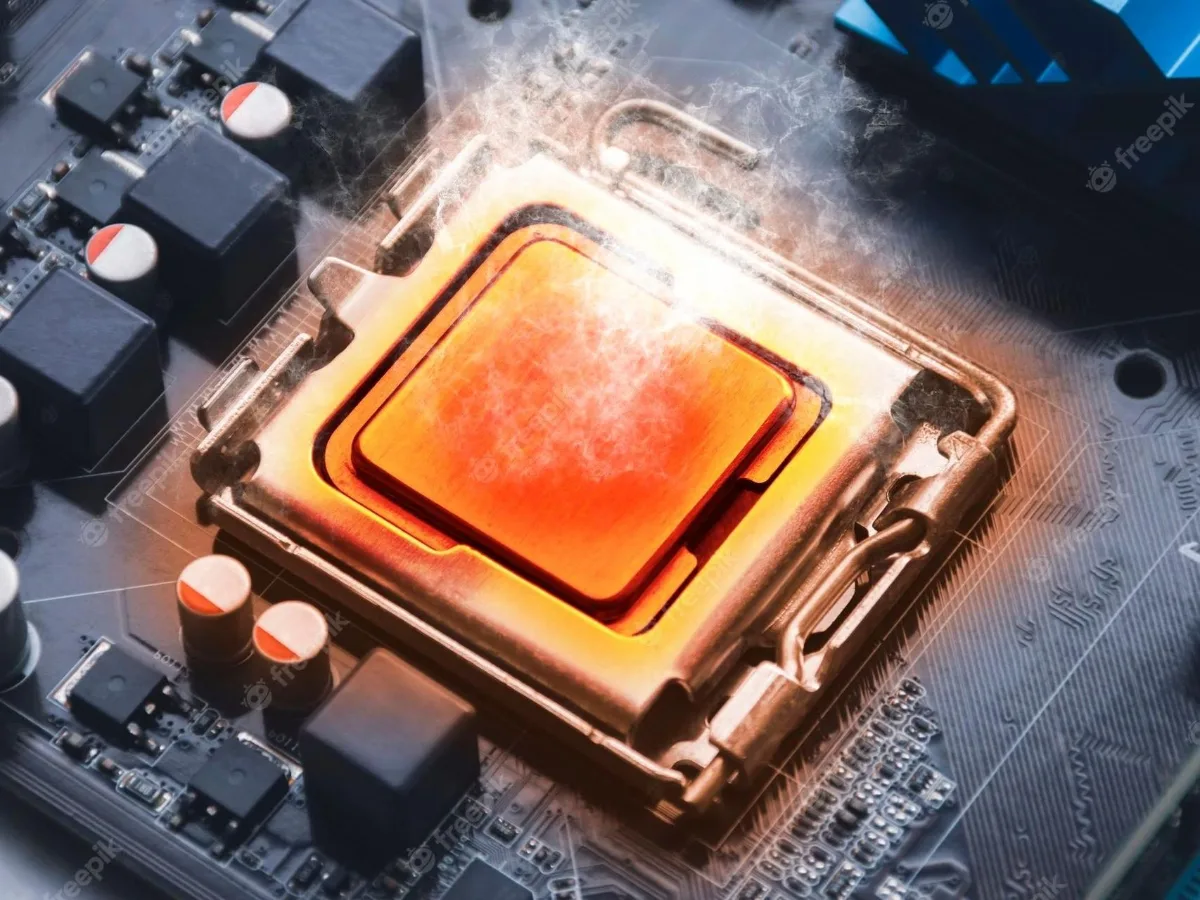
A computer that shuts down after 5 to 15 minutes of use, especially without an error message, is very often the victim of overheating. Modern components have thermal sensors that trigger automatic shutdown to prevent critical overheating. To learn the normal temperatures and the causes of a PC that gets hot, read our guide PC overheating: causes and solutions.
Recommended solutions:
- Clean the fans of the processor, the graphics card and the case using an anti-static brush or compressed air.
- Replace the thermal paste on the processor if it has dried out or if it has never been replaced in over 2 years.
- Check the temperature using a tool such as UserDiag or HWMonitor.
- Add an exhaust fan if the internal airflow is insufficient.
Tip: If the computer only shuts down during the summer or in a hot room, consider raising the case or using a ventilated stand (especially for laptops). If the heat appears mainly while gaming, take a look at why my gaming PC gets hot when I play, and to change the cooling system, our comparison air cooler or water cooling.
Symptom 3: Shutdown during load (games, video rendering)
Likely cause: Overloaded power supply or graphics card
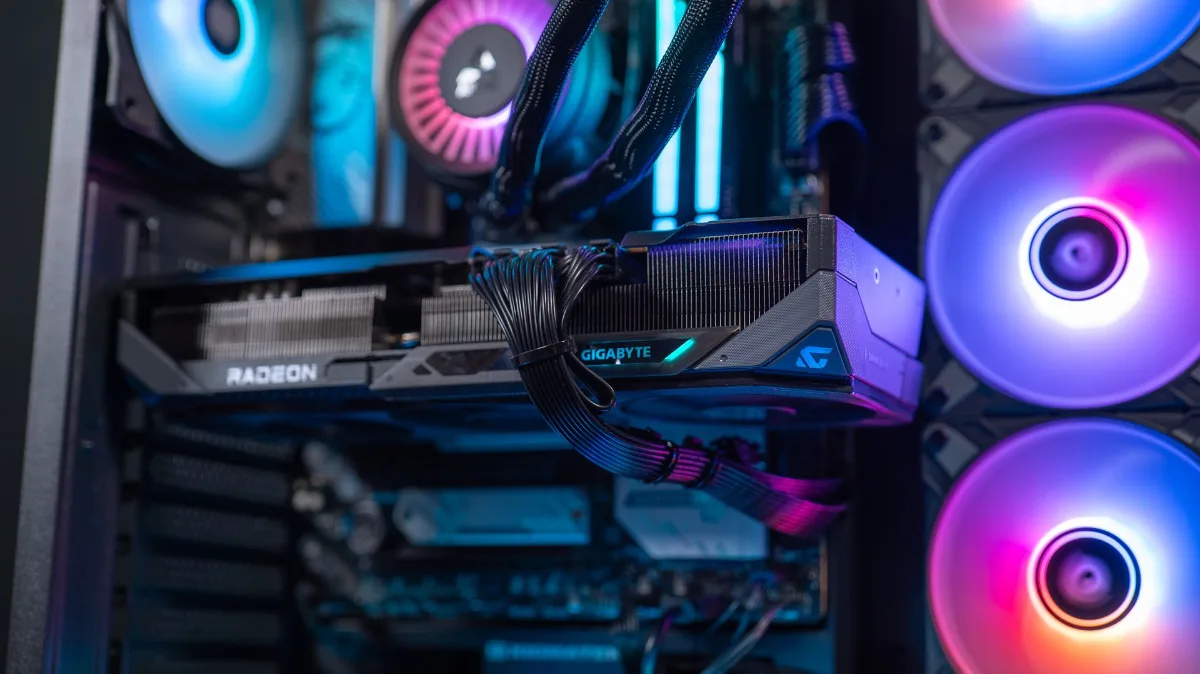
A shutdown during a gaming session or during a 3D render indicates a spike in power consumption that the power supply cannot handle. This can also point to a poorly cooled GPU or an unstable graphics card.
Recommended solutions:
- Use UserDiag to monitor load and temperatures while gaming or during a stress test.
- Try with another power supply if possible (borrow one or test it in the workshop).
- Temporarily reduce the graphics card’s power limit (with MSI Afterburner or the AMD Adrenalin software): if the cut-outs disappear, the power supply is probably the cause.
- Update the graphics drivers and test several versions (sometimes an update is unstable).
Important: A low-quality power supply (not 80 Plus certified) may be fine at idle, but becomes unstable under load.
Symptom 4: Random shutdown with no error message
Likely cause: Faulty drivers or Windows instability
When the computer shuts down unpredictably, with no blue screen and no overheating, the problem is likely due to corrupted drivers or a software conflict. It can also indicate a faulty RAM module or a system drive that is at the end of its life.
Recommended solutions:
- Run UserDiag to collect data and identify driver errors or hardware conflicts.
- Carry out a full driver update: graphics card, chipset, BIOS, network, etc. Our guide how to update your drivers in 2026 details the method.
- Test the RAM with MemTest86 (creating a bootable USB drive is required).
- Carry out a system repair using the command sfc /scannow in the Windows command prompt.
Tip: If the cut-outs occur after a recent installation of software or a device, try temporarily uninstalling it.
Symptom 5: PC shuts down after going to sleep or after an update
Likely cause: Power management conflict or faulty update
If your PC shuts down after waking from sleep, a Windows update or a BIOS update, it is often a conflict between the power management system and device drivers.

Sometimes a bad Windows update can also cause this behaviour.
Recommended solutions:
- Disable hybrid sleep: Settings > System > Power > Additional power settings > Change mode settings > Change advanced power settings > Hybrid sleep: Disabled.
- Go back to the previous update if the issue started right after a major Windows update (Settings > Update & Security > Recovery).
- Disable fast startup in the advanced power options.
Tip: open Event Viewer (Windows key + R, then eventvwr) and look at Windows Logs > System. An error Kernel-Power 41 means the PC shut down without a proper shutdown: the hardware trail (power supply, overheating) then becomes the most likely lead.
Symptom 6: Shuts down when you move the laptop
Likely cause: Poor contact, unstable battery, or an internal short circuit
If your laptop shuts down when you move it or even slightly shift it, it is often a hardware issue: poor contact between the battery and the motherboard, deterioration of the power cable ribbon, or dust present in the internal connectors.
Recommended solutions:
- Test without the battery (only on mains power). If the issue disappears, the battery needs replacing.
- Clean the battery contacts with a cotton bud lightly soaked in isopropyl alcohol.
- Open the case (if you’re comfortable doing so) and check the condition of the internal connectors.
Important: Avoid using the PC on your lap or on a soft surface (sofa, bed), as this can block the ventilation grilles or damage internal cables through repeated twisting.
Symptom 7: Shutdown with a blue screen (BSOD)
Likely cause: Critical hardware or software error
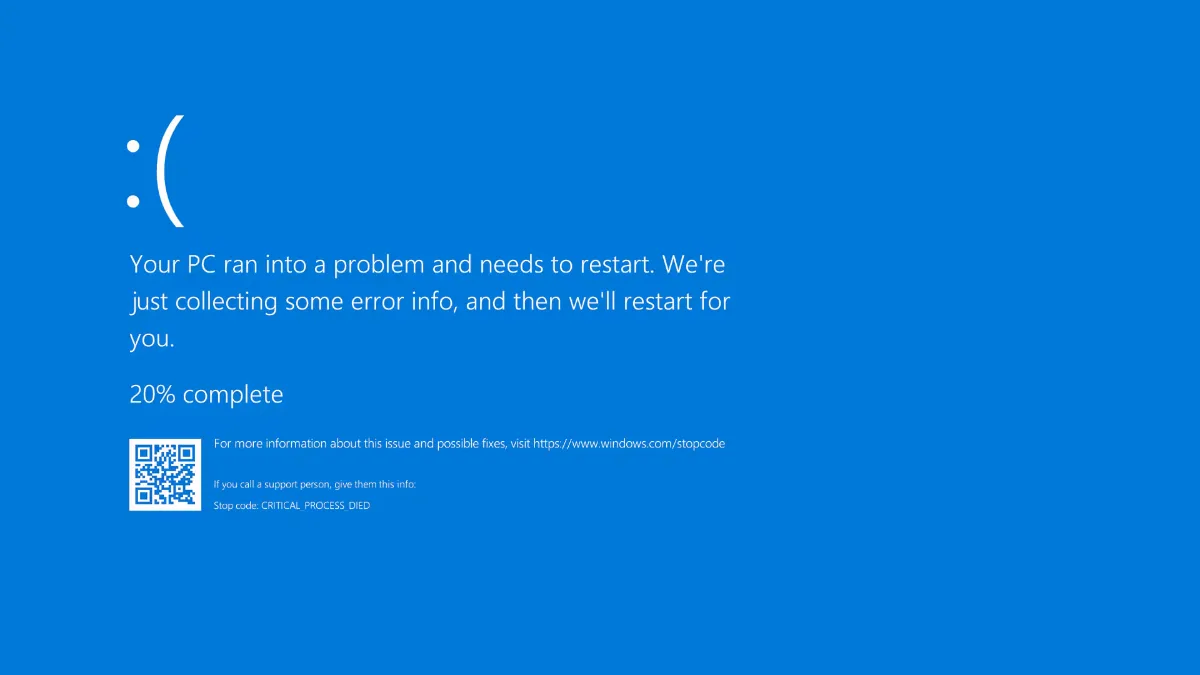
If the PC shows a blue screen before shutting down, it means a component or a driver is causing a critical system error. BSODs are often caused by unstable memory, an incompatible driver, or a failing disk.
Recommended solutions:
- Note down the BSOD error code (e.g. IRQL_NOT_LESS_OR_EQUAL, MEMORY_MANAGEMENT) to better pinpoint the issue.
- Run a diagnostic with UserDiag or WhoCrashed to interpret the minidump files.
- Test your RAM with MemTest86 (booting from a USB stick is required).
- Run chkdsk /f /r in the terminal to check the integrity of your hard drive or SSD.
Tip: If you notice frequent BSODs after a driver or BIOS update, revert to the previous version using Device Manager or the Advanced system settings. After a failed BIOS update, a CMOS reset restores the factory settings, and our guide how to easily access your PC’s BIOS helps you check the settings.
What if the problem comes back anyway?
If you’ve checked everything and several components in an older PC show signs of wear (power supply, graphics card, hard drive), the repair may cost more than it’s worth. In that case, a recent PC that has been tested before delivery is often the safest solution. Find all our gaming PCs here.
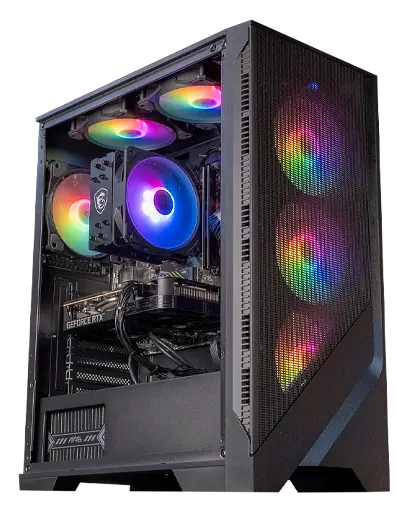
Corvus PC, GeForce RTX 5050
Ryzen 5 5500 and RTX 5050: an entry-level setup to get back on a healthy base in 1080p.
FAQ: PC that turns off by itself
Why does my PC turn off by itself when I’m gaming?
While gaming, the graphics card and the processor consume the most power. A cut-out at that moment points to a power supply that’s too weak or worn out, or to overheating. Monitor the temperatures during a session and, if they stay within normal ranges, test with another power supply.
My PC turns off by itself after a few seconds, what should I do?
Start with the simplest options: another mains cable, another wall socket, and no extension strip. If the issue persists, the power supply unit or the power button are the main suspects. The bridge test described above lets you check whether the power supply powers on.
How can I tell if the power supply is failing?
The bridge test only shows whether the power supply starts up, not whether it can hold a load. The most reliable test is to install another power supply with sufficient wattage: if the cut-outs stop, you’ve found the culprit.
How can I see in Windows why the PC shut down?
Open Event Viewer (eventvwr) and look at the Windows Logs, under System. A Kernel-Power 41 error indicates a sudden cut-off; a blue screen shows a stop code that you can note down to target the driver or component involved.
Can a PC that turns off by itself get damaged?
Repeated cut-outs don’t destroy the PC on their own, but they can corrupt Windows or open files. And if the cause is overheating or a faulty power supply, it’s better to fix the problem quickly before a component fails.
