 Your PC in instalments (up to 12x)
BIOS Update for Intel 13th and 14th Generation Processors: What You Need to Know
Intel 13th and 14th generation processors, known as Raptor Lake, have recently encountered stability issues that have raised concerns for many users.
These issues can cause system crashes and, in some cases, permanent damage to the processor. To reduce these risks, critical BIOS updates are needed to stabilise the microcode of these processors.
At FlowUP, we take these concerns very seriously.
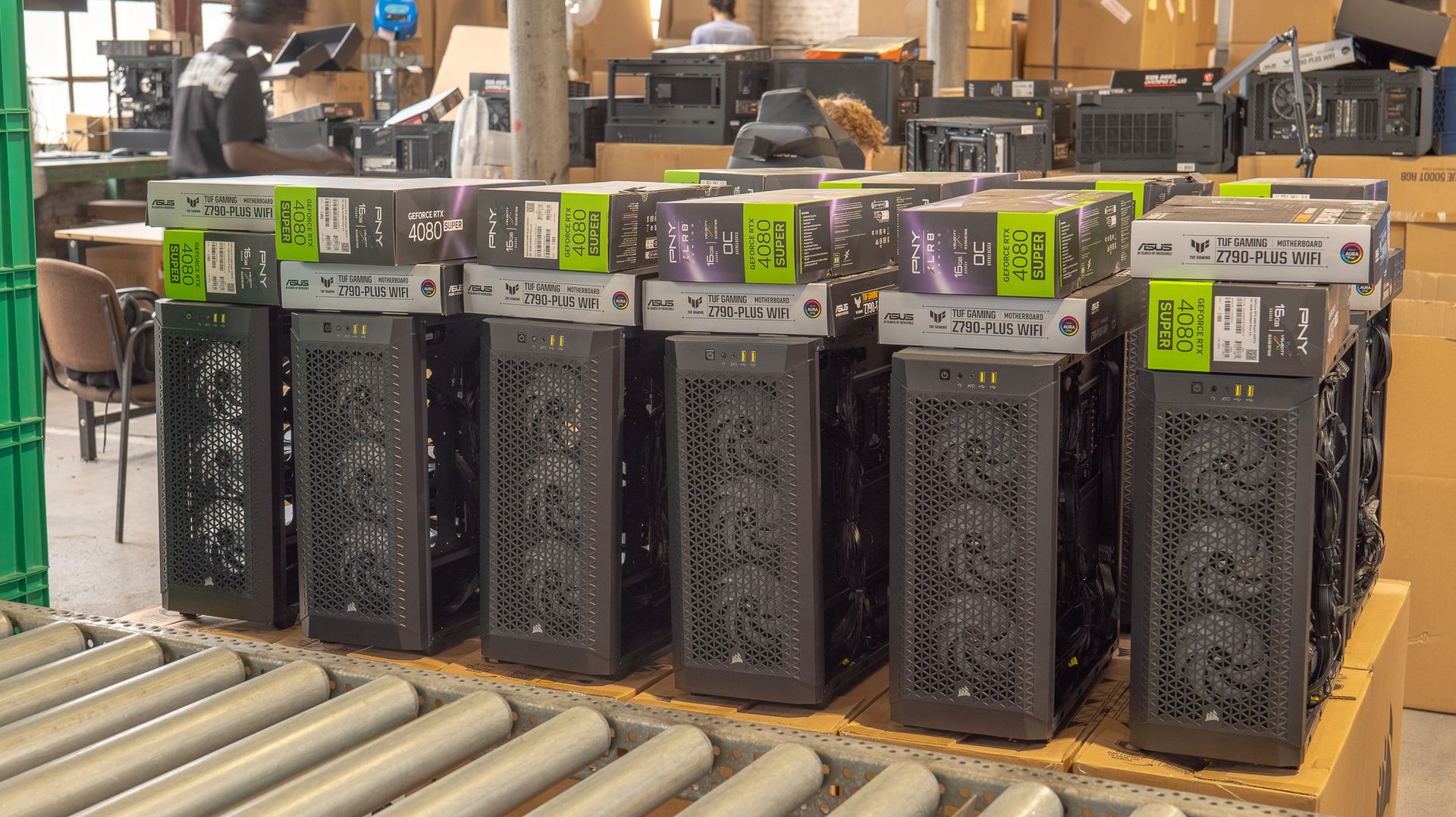
That’s why, for every PC we ship, we make sure to carry out the necessary BIOS updates before dispatch. However, if you’ve already received your PC, we invite you to follow the instructions below to update your BIOS and ensure your system’s stability.
Why BIOS Updates Are Crucial for Intel 13th and 14th Generation Processors
Intel Raptor Lake processors from the 13th and 14th generations, although powerful, have shown signs of instability, in particular due to inadequate voltage management that can lead to unexpected crashes. Intel has therefore worked with motherboard manufacturers to develop a microcode, identified under the name 0x129, intended to address these issues.

This BIOS update includes the necessary microcode to stabilise these processors, reducing the risk of failure and damage.
Without this update, users may continue to experience problems, ranging from minor crashes to irreversible damage that requires the processor to be replaced.
BIOS Update for Shipped PCs
We understand how important it is to receive a ready-to-use product. That’s why, for every PC we ship, we make sure the BIOS is up to date, incorporating the latest fixes provided by Intel and motherboard manufacturers such as MSI and ASUS.
This preventative approach is intended to ensure that you can make full use of your system’s performance without having to worry about problems related to processor instability.
If you’ve recently ordered a PC from us, you can rest assured that all the necessary updates have been completed before shipping.
How to Update Your BIOS: A Guide for Existing Owners
If you’ve already received your PC, it’s essential to update the BIOS on your motherboard to avoid any potential issues.
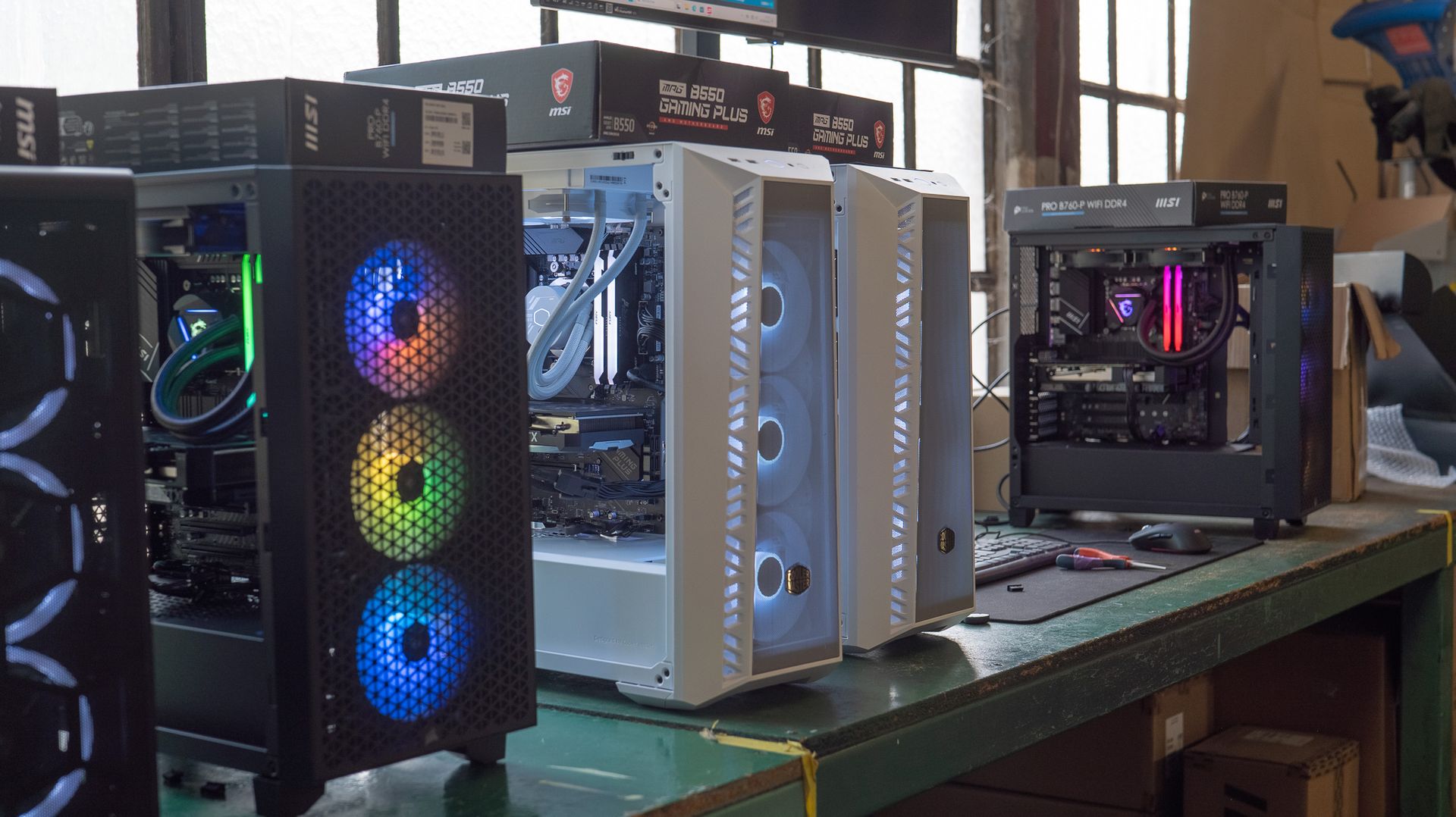
Here are the steps to follow, along with direct links to download the necessary updates for different MSI and ASUS motherboard models.
General Instructions for BIOS Updates:
- Download the BIOS file for your motherboard from the links provided below.
- Extract the downloaded files onto a USB stick formatted in FAT32.
- Restart your PC and enter the BIOS by pressing the "Delete" or "F2" key during startup.
- Use the "M-Flash" tool (for MSI) or "EZ Flash" (for ASUS) to start the BIOS update.
- Select the BIOS file on your USB stick and follow the on-screen instructions to complete the update.
- Restart your PC after the update and check that everything is working correctly.
Links to Download BIOS Updates
Here are the direct links to download the required BIOS files for various MSI and ASUS motherboards that are compatible with Intel 13th and 14th generation processors:
MSI
- PRO Z790-A WIFI : Download here
- MAG Z790 TOMAHAWK WIFI : Download here
- Z790 GAMING PLUS WIFI : Download here
- MSI B760-P WIFI DDR4 : Download here
- MSI B760M-GAMING PLUS WIFI : Download here
ASUS
- Prime Z790-P WiFi Gaming : Download here
- TUF GAMING Z790-PLUS WIFI : Download here
- TUF B760 Plus WIFI : Download here
Conclusion
We remain committed to delivering reliable, high-performance PCs. A BIOS update is an essential step to ensure your system works optimally with Intel Raptor Lake processors.
If you have any questions or need help with your BIOS update, feel free to contact us. Our team is here to assist you at every step.
FAQs
- Why is it necessary to update the BIOS on Intel 13th and 14th generation processors? A BIOS update fixes stability issues caused by poor voltage management that can lead to crashes or damage the processor.
- Will BIOS updates affect the performance of my processor? According to Intel, these updates should not have any significant impact on performance.
- What should I do if I don’t have an MSI or ASUS motherboard? Check your motherboard manufacturer’s website for the latest BIOS updates, as other manufacturers may also offer similar fixes.
- Can I install the BIOS update myself? Yes, the steps to install the BIOS update are fairly straightforward. Follow the instructions provided with the update file.
- What are the risks if I don’t update my BIOS? Not updating your BIOS could expose your processor to instability, which may cause crashes and, in some cases, irreversible hardware damage.
- Where can I get help with the BIOS update? If you need help, you can contact our customer service or visit the forums and support pages of motherboard manufacturers.
